Gallery#
End-to-end examples of the pyvista-cad API. Each section drills
into one concern: reading a format, writing a format, bridging
to another CAD library, working with CAD metadata, or composing a
full workflow.
Reading CAD formats#
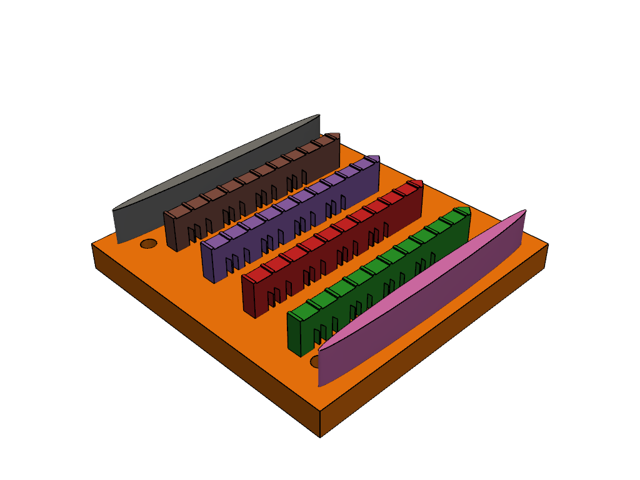
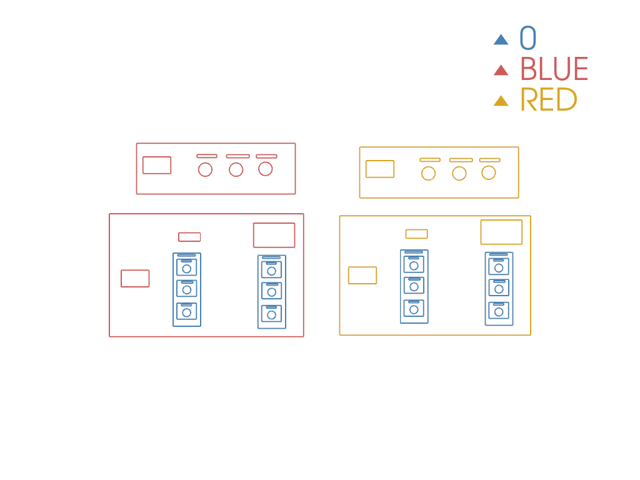
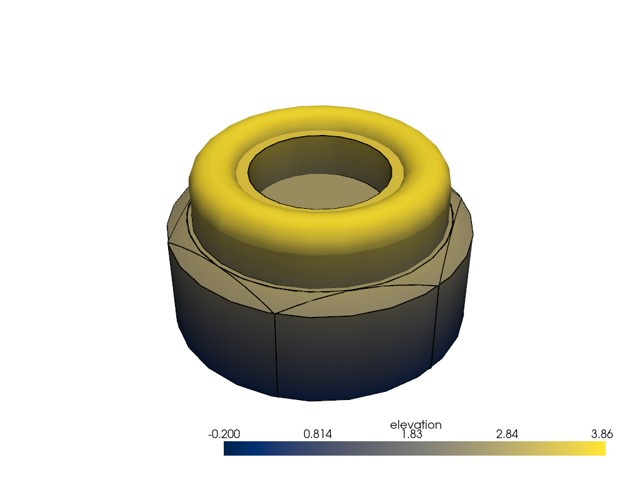
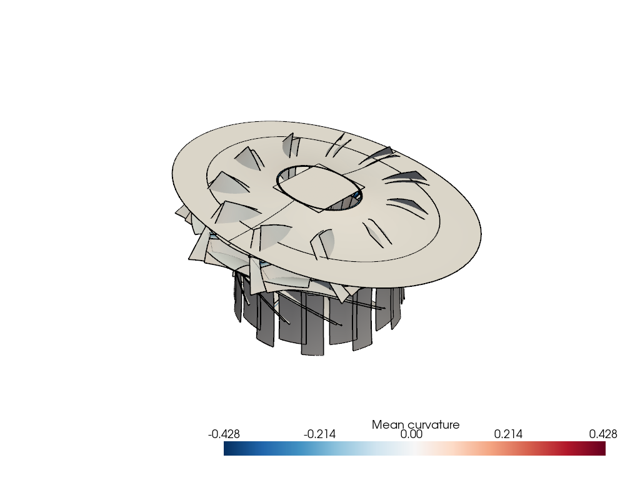
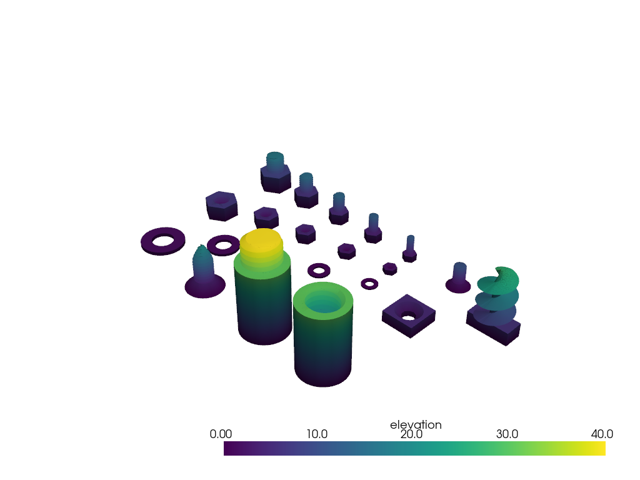
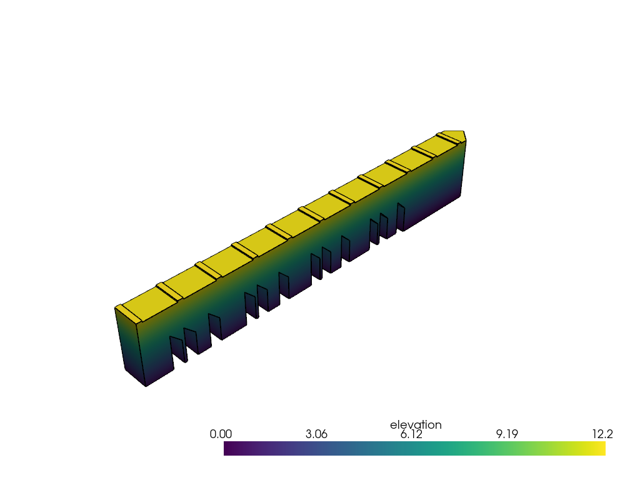
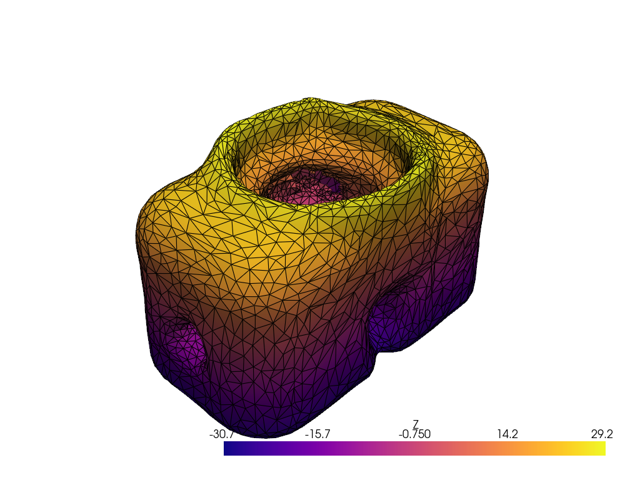
Examples that take a CAD file on disk and produce a PyVista dataset.
Every reader is reachable through pv.read(...) once
pyvista_cad is installed.
Writing CAD formats#
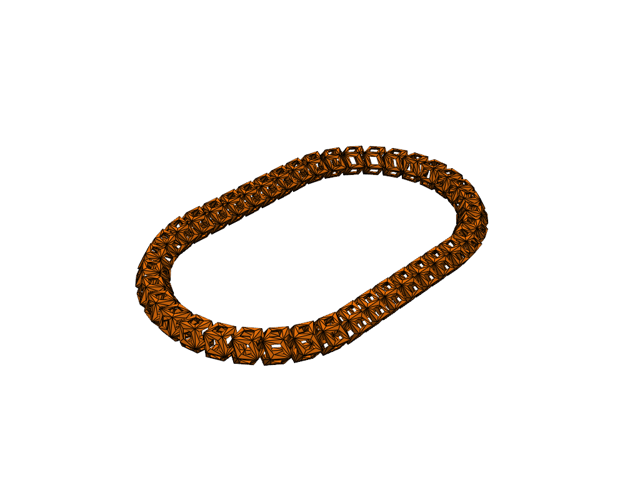
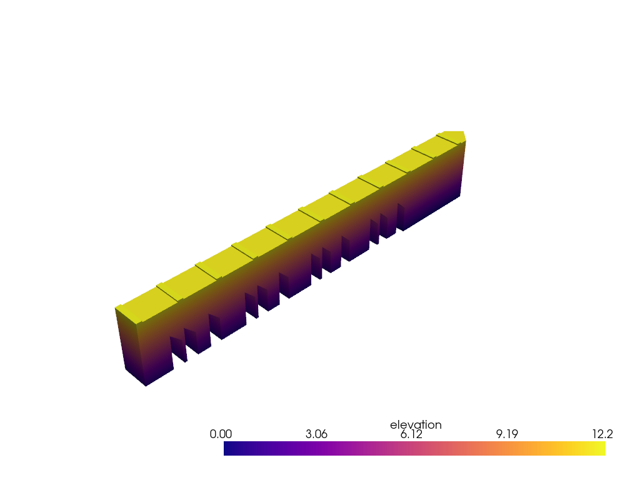
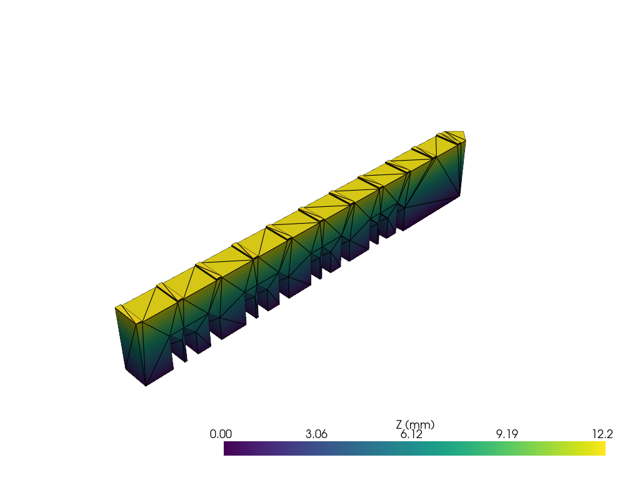
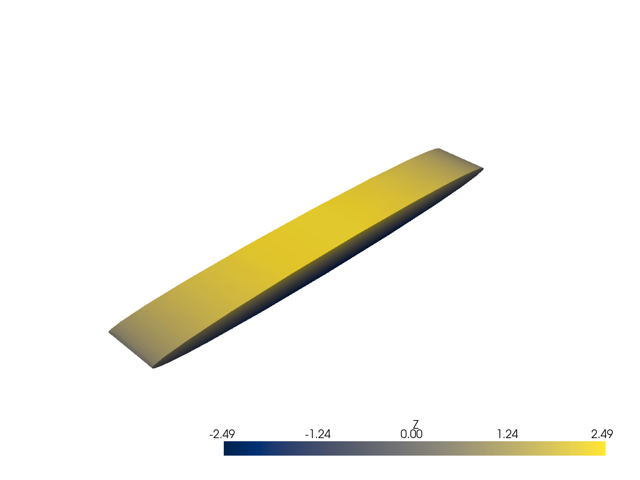
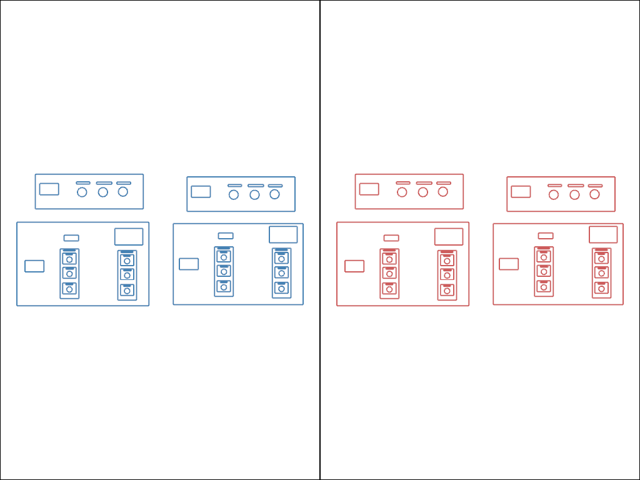
Examples that take a PyVista dataset and write it to a CAD file on
disk via pyvista_cad.write_dxf() or the .cad accessor.
Bridges to CAD kernels#
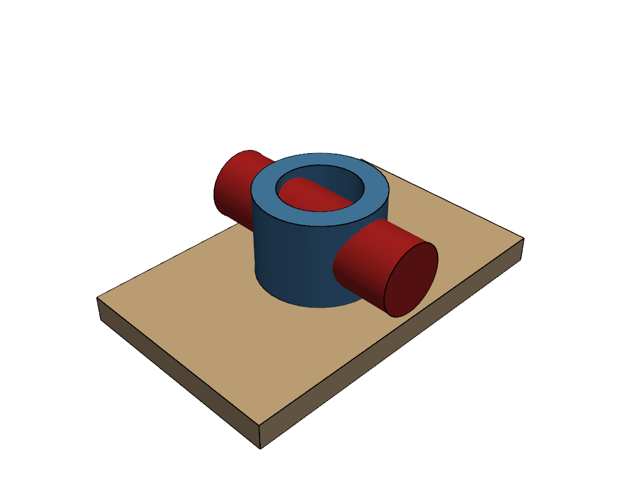
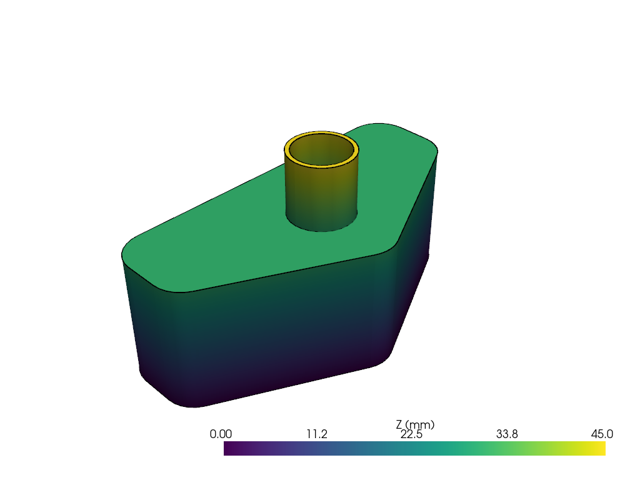
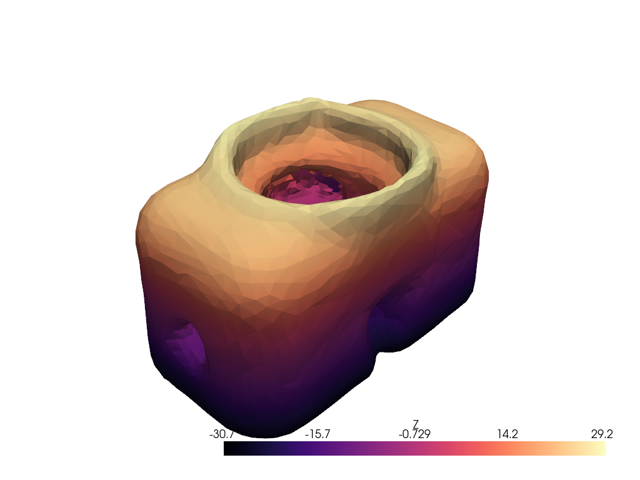
Round-trip data between PyVista and the major Python CAD kernels:
build123d, cadquery, raw OCP / TopoDS, and trimesh. Each bridge
attaches cad.source_format to the resulting dataset so the origin
is traceable through downstream pipelines.
Metadata, units, and layers#
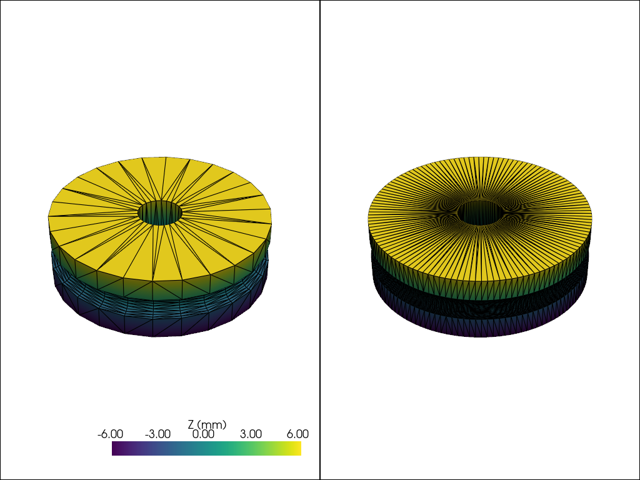
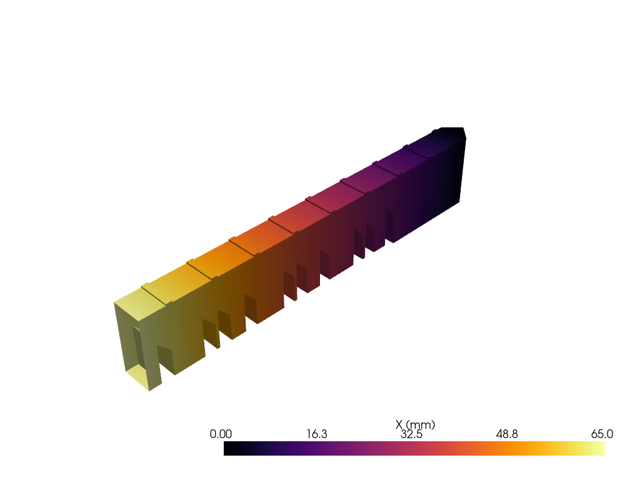
Examples that exercise the cad.* metadata schema: units handling,
DXF layer splits, color groupings, and the
pyvista_cad.CadMetadata bag.
End-to-end workflows#
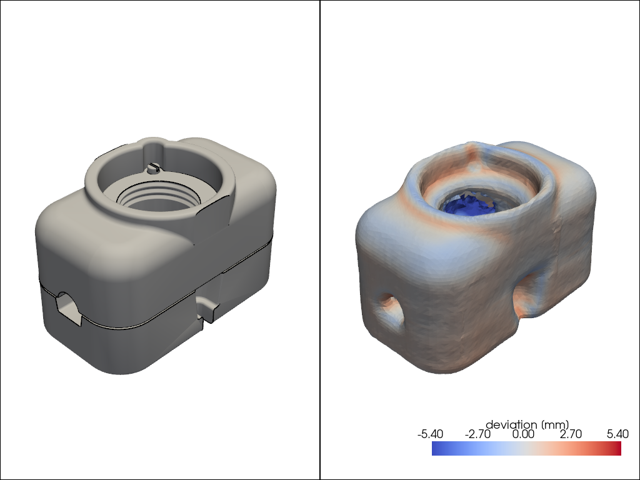
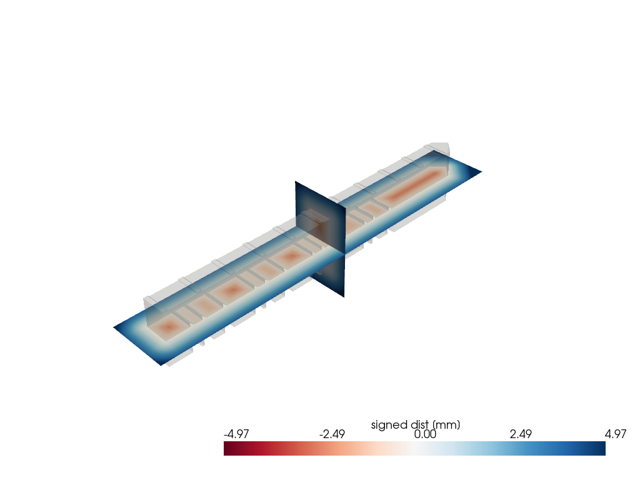
Examples that stitch readers, writers, bridges, and metadata into realistic CAD-meets-mesh pipelines.
Advanced topics#
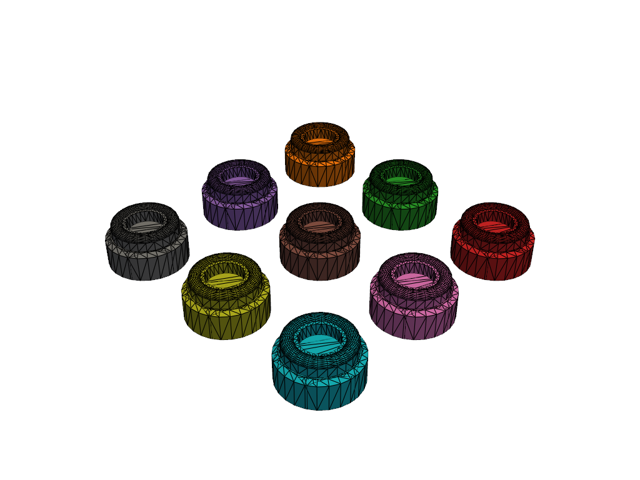
Customizing tessellation, walking nested assemblies, and running pyvista-cad in headless server environments.
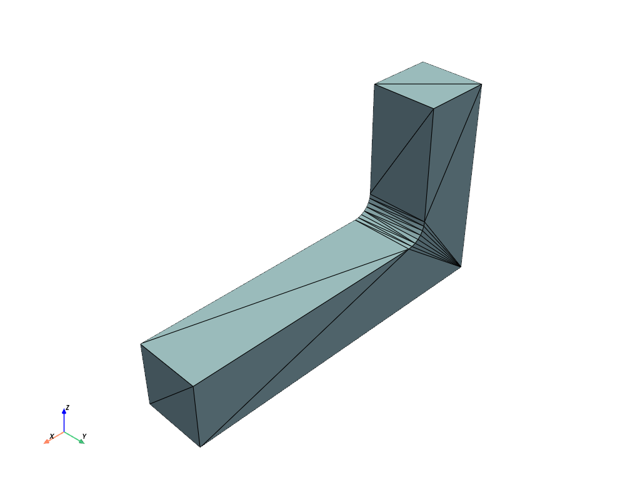
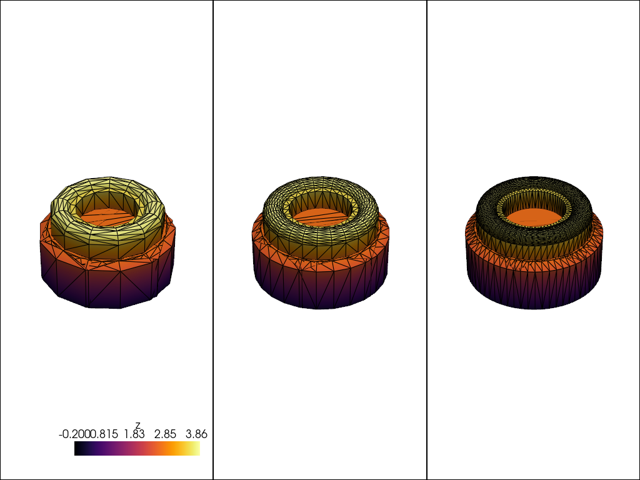
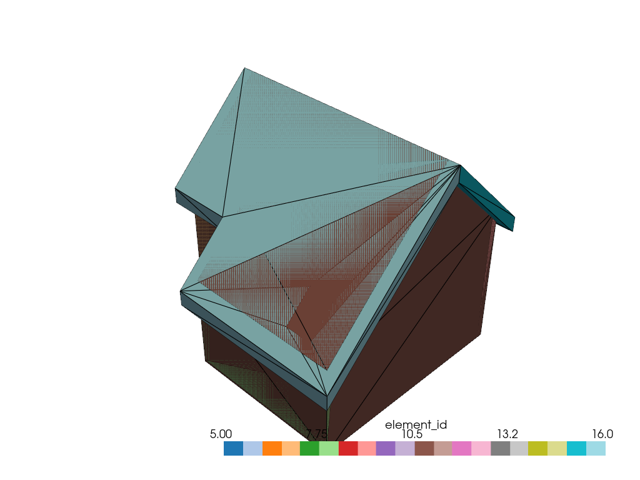
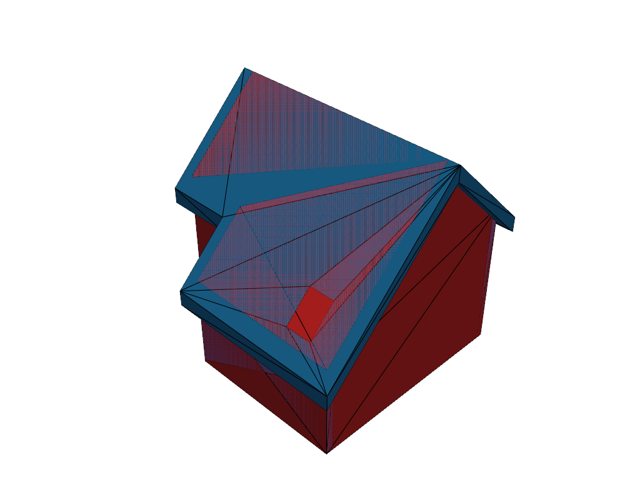
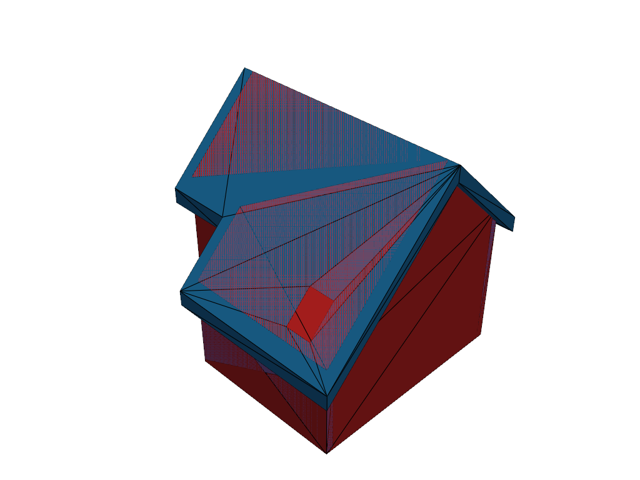
Collapse an IFC building into a single UnstructuredGrid